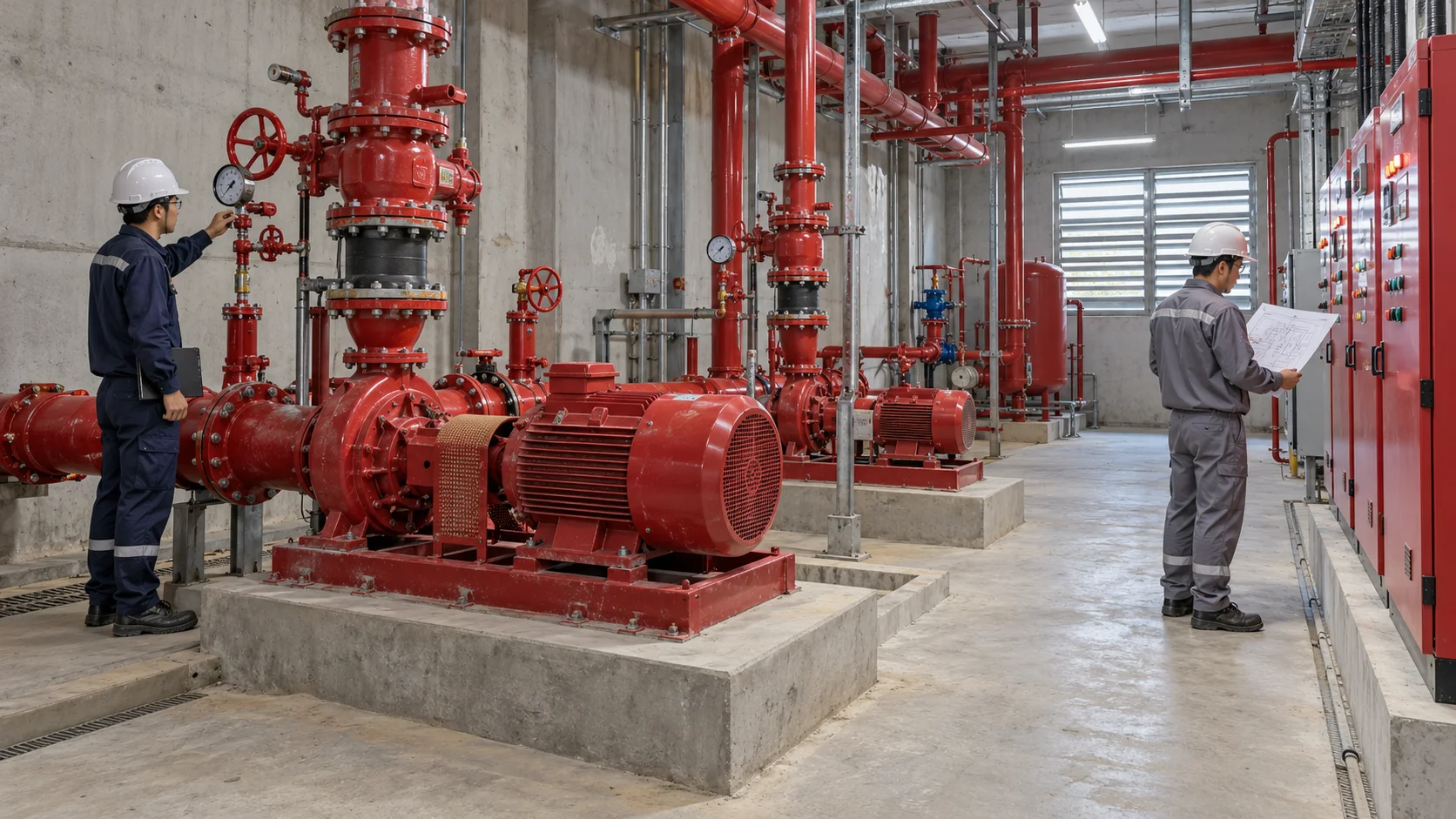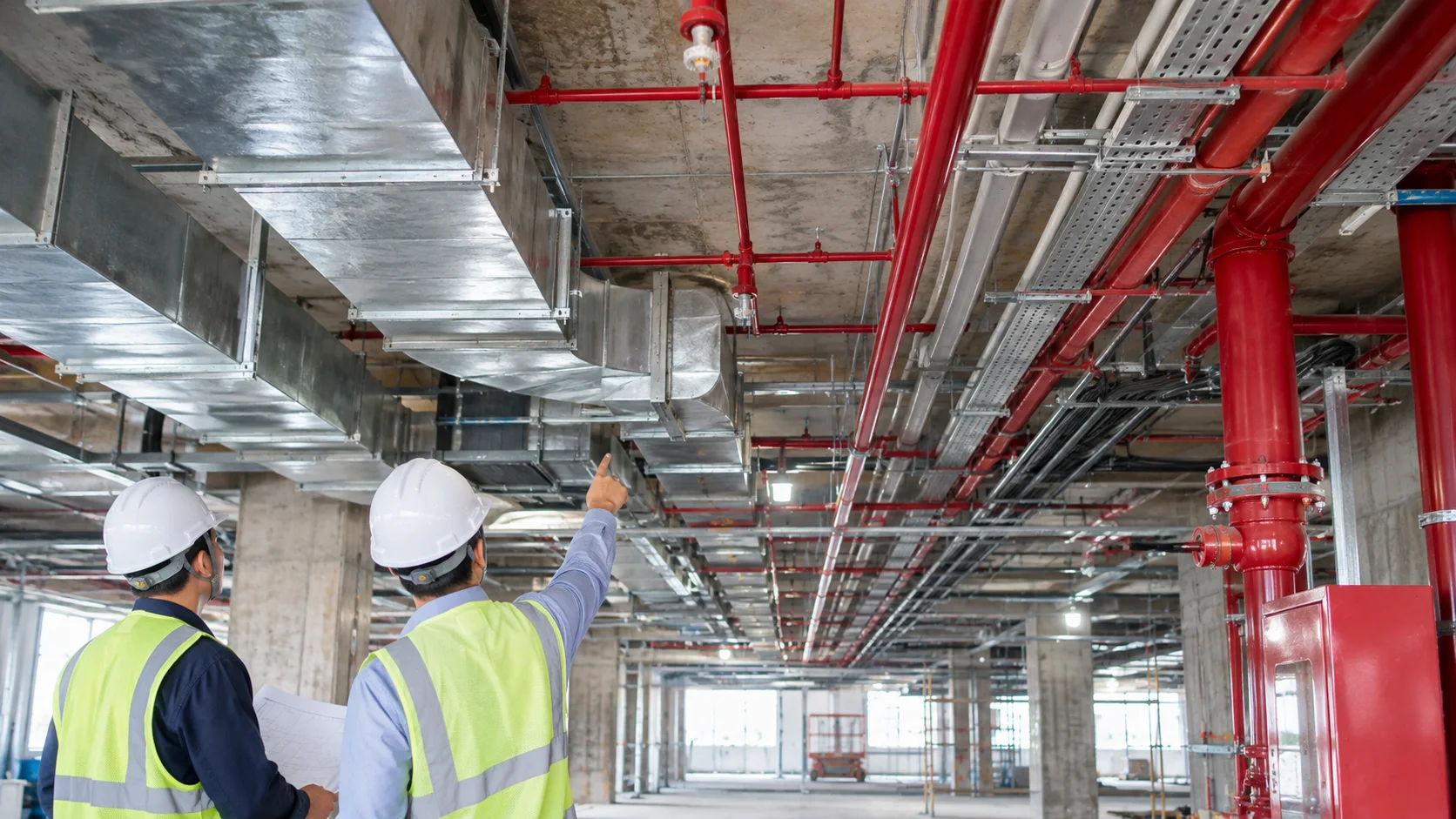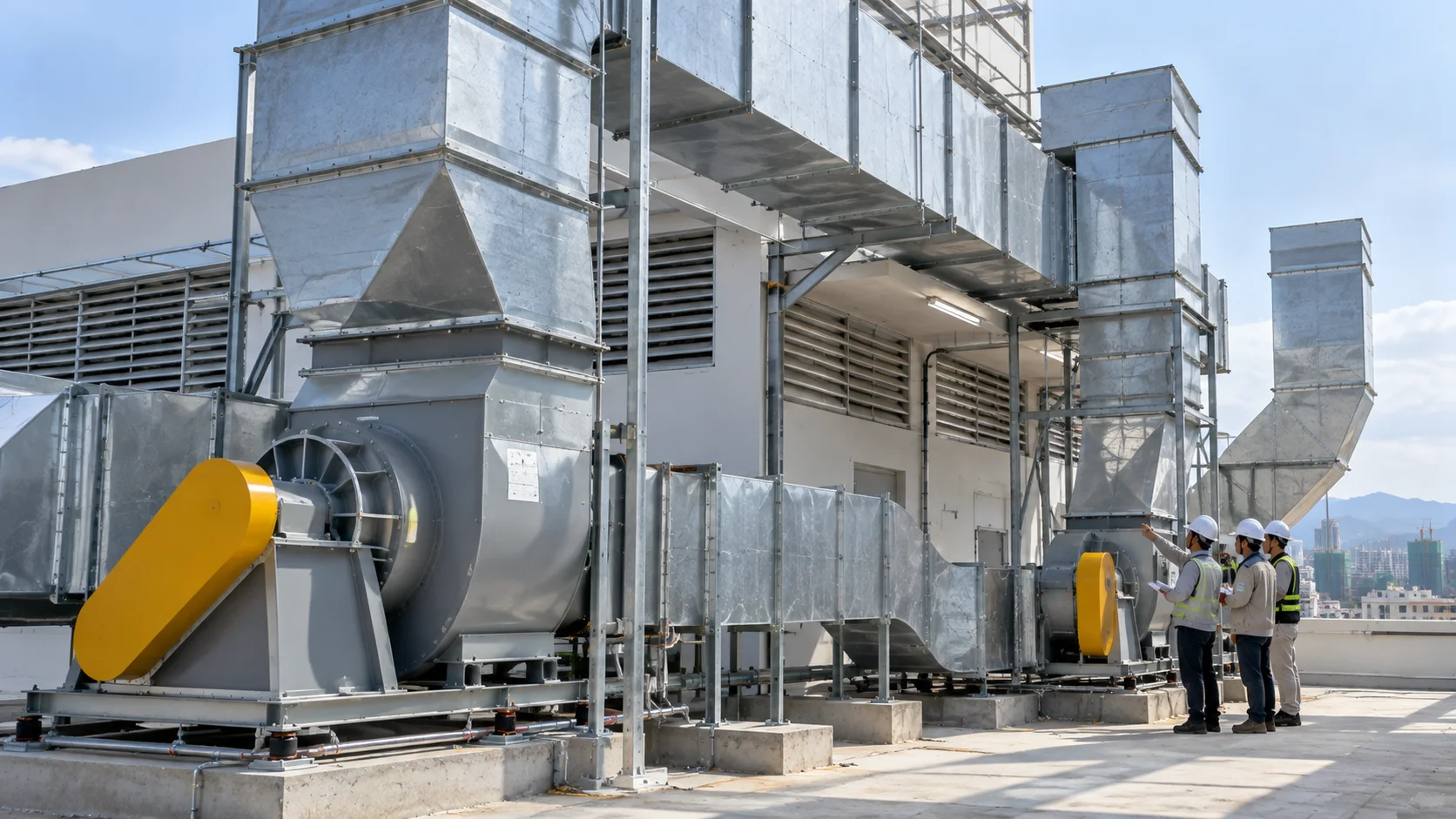



Fire-system maintenance records should identify what was checked, test conditions and any outstanding defects. A simple completed tick box cannot replace equipment history and corrective-action evidence.
What to establish
When preparing a specification or delivery plan, these three considerations provide a practical basis for a focused technical discussion:
- Equipment list and inspection status.
- Defects, corrective work and completion evidence.
- Testing records, inspection conditions and recorded results.
Priorities to address
Scope: Equipment list and inspection status. Check the supporting inputs, responsibility boundaries and how the proposal can be reconciled with existing site conditions.
Coordination: Defects, corrective work and completion evidence. Agree this interface across relevant disciplines before finalising the solution, particularly where space or operations impose constraints.
Verification: Testing records, inspection conditions and recorded results. Tie each technical conclusion to approved information, real conditions and an appropriate verification step rather than relying on broad claims.
A practical sequence
- Check approved fire-engineering documents and contract scope.
- Review equipment, piping, signal and power interfaces.
- Include testing, interlocks and approval records in the plan.
- Implement changes only through the appropriate approval route.
This sequence is a framework for organising the principal inputs; the approved drawings, specifications and project-specific method remain the governing documents.
Records and next steps
For Fire Protection Maintenance: Records to Keep After Each Inspection, useful records identify scope, current document revisions, agreed technical interfaces and remaining queries. Organising information around actionable items helps owners and delivery teams assess proposals and coordinate decisions.
Explore BILOCO’s M&E services and project references for related scopes. For a project-specific discussion, submit the available documents through the enquiry form.
Frequently asked questions
When preparing a specification or delivery plan, these three considerations provide a practical basis for a focused technical discussion:
- Equipment list and inspection status.
- Defects, corrective work and completion evidence.
- Testing records, inspection conditions and recorded results.
Scope: Equipment list and inspection status. Check the supporting inputs, responsibility boundaries and how the proposal can be reconciled with existing site conditions.
Coordination: Defects, corrective work and completion evidence. Agree this interface across relevant disciplines before finalising the solution, particularly where space or operations impose constraints.
Verification: Testing records, inspection c…
- Check approved fire-engineering documents and contract scope.
- Review equipment, piping, signal and power interfaces.
- Include testing, interlocks and approval records in the plan.
- Implement changes only through the appropriate approval route.
This sequence is a framework for organising the principal inputs; the approved drawings, specifications and project-specific method remain the governing documents.
For Fire Protection Maintenance: Records to Keep After Each Inspection, useful records identify scope, current document revisions, agreed technical interfaces and remaining queries. Organising information around actionable items helps owners and delivery teams assess proposals and coordinate decisions.
Explore BILOCO’s M&E services and project references for related scopes. For a project-specific discussion, submi…