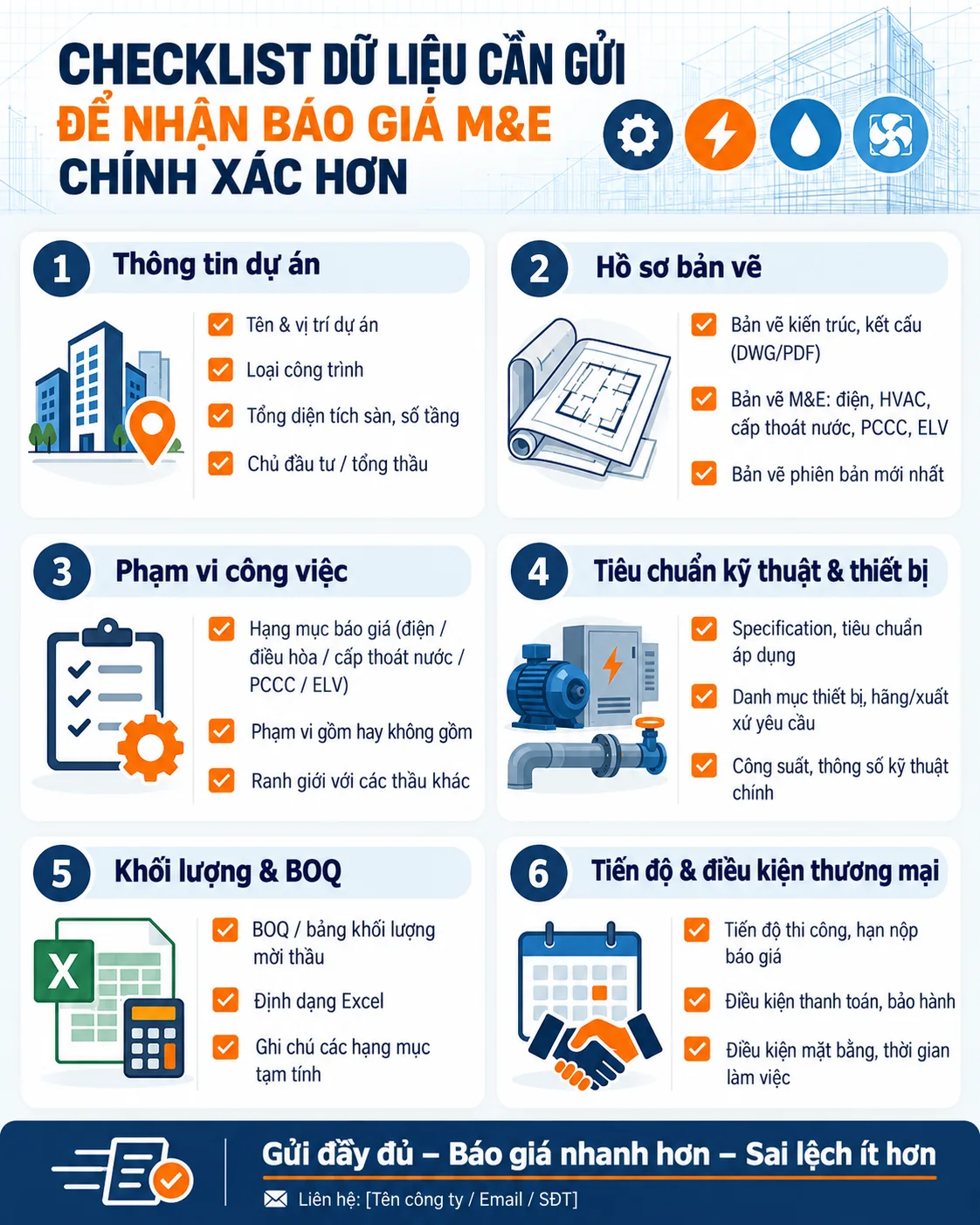



A useful technical case study establishes what a contractor actually did, under which conditions and what can be verified. A clear scope, context, approach and documented outcome are more meaningful than a project gallery alone.
What to establish
When preparing a specification or delivery plan, these three considerations provide a practical basis for a focused technical discussion:
- State client, location, role and scope clearly.
- Describe a verifiable challenge and solution.
- Use real images and evidence-backed results.
Priorities to address
Scope: State client, location, role and scope clearly. Check the supporting inputs, responsibility boundaries and how the proposal can be reconciled with existing site conditions.
Coordination: Describe a verifiable challenge and solution. Agree this interface across relevant disciplines before finalising the solution, particularly where space or operations impose constraints.
Verification: Use real images and evidence-backed results. Tie each technical conclusion to approved information, real conditions and an appropriate verification step rather than relying on broad claims.
A practical sequence
- Compare the operational brief with the available inputs.
- Evaluate options for scope, risks and maintainability.
- Coordinate architecture, structure and other M&E disciplines.
- Resolve design assumptions before ordering or installation.
This sequence is a framework for organising the principal inputs; the approved drawings, specifications and project-specific method remain the governing documents.
Records and next steps
For What Makes a Useful M&E Project Case Study, useful records identify scope, current document revisions, agreed technical interfaces and remaining queries. Organising information around actionable items helps owners and delivery teams assess proposals and coordinate decisions.
Explore BILOCO’s M&E services and project references for related scopes. For a project-specific discussion, submit the available documents through the enquiry form.
Frequently asked questions
When preparing a specification or delivery plan, these three considerations provide a practical basis for a focused technical discussion:
- State client, location, role and scope clearly.
- Describe a verifiable challenge and solution.
- Use real images and evidence-backed results.
Scope: State client, location, role and scope clearly. Check the supporting inputs, responsibility boundaries and how the proposal can be reconciled with existing site conditions.
Coordination: Describe a verifiable challenge and solution. Agree this interface across relevant disciplines before finalising the solution, particularly where space or operations impose constraints.
Verification: Use real images and evi…
- Compare the operational brief with the available inputs.
- Evaluate options for scope, risks and maintainability.
- Coordinate architecture, structure and other M&E disciplines.
- Resolve design assumptions before ordering or installation.
This sequence is a framework for organising the principal inputs; the approved drawings, specifications and project-specific method remain the governing documents.
For What Makes a Useful M&E Project Case Study, useful records identify scope, current document revisions, agreed technical interfaces and remaining queries. Organising information around actionable items helps owners and delivery teams assess proposals and coordinate decisions.
Explore BILOCO’s M&E services and project references for related scopes. For a project-specific discussion, submit the available document…